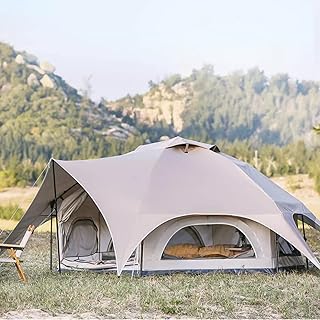
Avoid Common Mistakes When Buying a Tent in 2026
As camping continues to gain popularity in 2026, many outdoor enthusiasts are looking to invest in the perfect tent. However, purchasing a tent can be overwhelming due to the vast array of options available. Understanding the common mistakes made when buying a tent can help you choose wisely and enjoy your outdoor experiences without regret. This article highlights key considerations and offers valuable insights into making the best decision for your needs.
Understanding Tent Types
One of the primary mistakes that buyers make is not understanding the different types of tents available on the market. In 2026, there are several categories to consider, including backpacking tents, family tents, and four-season tents. Each type is designed for specific uses and conditions.
Backpacking Tents
Backpacking tents are lightweight and compact, making them ideal for solo hikers or small groups. However, many first-time buyers overlook key features such as weight capacity and weather resistance. For 2026, it is crucial to assess how many people will be using the tent and the environment in which it will be used. A common mistake is assuming that all lightweight tents can handle heavy rain or wind, which is not always the case.
Family Tents
Family tents offer ample space and comfort but can be bulky and heavy. When purchasing a family tent in 2026, consider the size and layout. Many buyers fail to account for additional gear and personal items that will also occupy space inside the tent. Additionally, evaluating the tent's ventilation and setup complexity is essential to avoid frustration during family camping trips.
Four-Season Tents
Four-season tents are built to withstand harsh weather conditions and are perfect for winter camping. However, they are often heavier and pricier than three-season tents. Buyers frequently make the mistake of purchasing a four-season tent without fully understanding their camping habits. If you do not plan to camp in extreme conditions, investing in a four-season tent may not be necessary.
People Also Look For:
- FREEAMG Kids Play Tent with Multi-Coloured Ball Lights & Storage Bag, Children\'s Playhouse Indoor Outdoor for 3-7 Year Old Boys G...
- Putentfun Camping Tent 3 Person Pop Up Tent,Outdoor Automatic Family Tents,Double Door Dome Tents with Mosquito Netting,UV protect...
- Portal 3-4 Man Tent with Porch 3000mm Waterproof 180cm Tall Standing Height Three-Four Persons Family Camping Tent with Living Are...
- FREEAMG Kids Play Tent with Multi-Coloured Ball Lights & Storage Bag, Children\'s Playhouse Indoor Outdoor for 3-7 Year Old Boys G...
- FREEAMG Kids Play Tent with Multi-Coloured Ball Lights & Storage Bag, Children\'s Playhouse Indoor Outdoor for 3-7 Year Old Boys G...
Assessing Materials and Durability
Another common mistake is neglecting to assess the materials used in the tent's construction. In 2026, advancements in tent materials have resulted in lighter and more durable options. However, not all materials are created equal. For instance, some tents may use cheaper fabrics that compromise waterproofing and longevity. It is essential to examine the tent's rainfly, floor, and seams.
Fabric Quality
Look for tents made from high-denier polyester or nylon. These materials offer better resistance to abrasion and UV damage. Additionally, consider the waterproof rating of the tent fabric. Many first-time buyers mistakenly assume that all tents are waterproof, leading to unpleasant surprises during rainy camping trips.
Structural Integrity
Pay attention to the tent poles as well. Aluminum poles are typically stronger and lighter than fiberglass poles. Many outdoor enthusiasts overlook this detail, resulting in a tent that cannot withstand windy conditions. In 2026, consider investing in a tent with a reputation for structural integrity, especially if you plan to camp in unpredictable weather.
Price Versus Value
Price is often a significant factor when choosing a tent, but focusing solely on cost can lead to poor decisions. Some buyers might opt for the cheapest option available, only to find that it does not meet their needs. In 2026, it is crucial to assess the value of the tent in relation to its features and longevity.
Long-term Investment
Consider how often you plan to use the tent. A higher upfront cost may be justified if the tent lasts for several seasons. Many campers experience buyer's remorse after purchasing a low-quality tent that needs replacement after just one summer of use. Evaluating the long-term investment potential can save you money and hassle.
Brand Reputation
Researching brands and reading reviews is vital. Well-known brands often provide better warranties and customer support. Buyers frequently make the mistake of not considering brand reputation, leading to dissatisfaction with their purchase. In 2026, look for tents from reputable brands that offer transparent information about their products.
Considering Size and Capacity
When buying a tent, many people underestimate the importance of size. Tent capacity ratings can be misleading. A tent rated for four people may only comfortably fit three if everyone has gear inside. In 2026, it is recommended to choose a tent with a higher capacity than the number of occupants to ensure comfort.
Room for Gear
Evaluate not only the sleeping space but also the overall layout. Some tents have vestibules or extra space for gear storage, which can significantly enhance your camping experience. Many buyers fail to account for their equipment, leading to cramped conditions inside the tent. A tent with additional space can make a significant difference during extended trips.
Setup and Take Down
Additionally, consider the setup process. Some tents are easier to pitch than others. In 2026, many manufacturers are focusing on user-friendly designs, but it is still vital to practice setting up the tent before embarking on a trip. New campers often struggle with complicated setups, which can lead to frustration and a negative experience. Familiarity with the tent can make a significant difference when setting up in adverse conditions.